

The Crash Diet Connection: Why Losing Weight Too Fast Backfires
The Crash Diet Connection: Why Losing Weight Too Fast Backfires...
Home / Patient Information / The “Lazy” Gallbladder: Why Skipping Meals Might Be the Cause
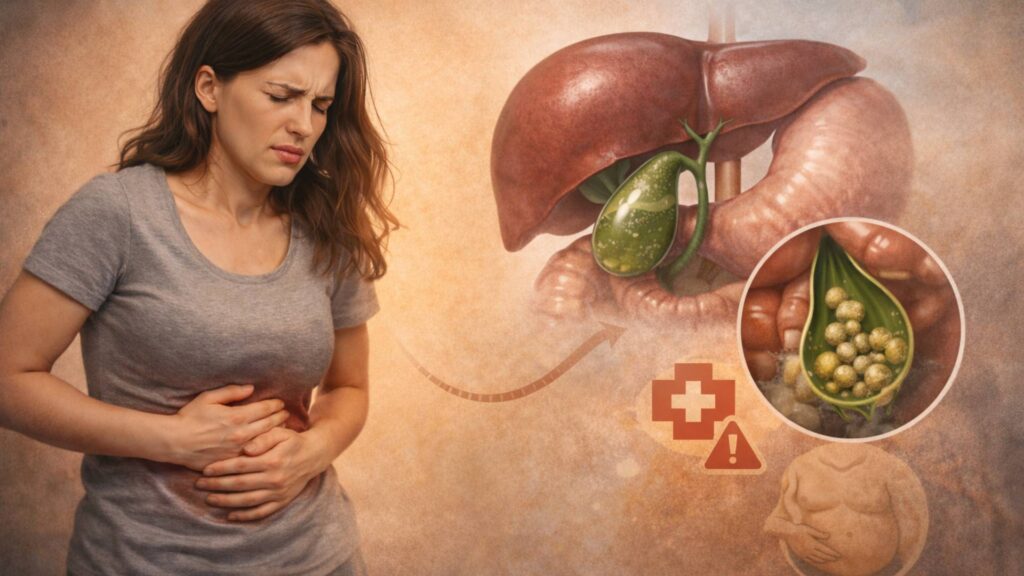
The gallbladder, this pear-shaped organ sits under your liver and acts like a storage tank for a fluid called bile. Bile is a natural liquid that helps your body break down and digest fats from the food you eat.
When you eat a meal, your body signals the gallbladder to squeeze and push this fluid into your digestive system. However, if you regularly skip meals, your gallbladder can become “lazy” or sluggish. This lack of movement can lead to discomfort and other health problems.
To understand why a gallbladder might slow down, think of its daily routine. Your liver makes bile all day long. Between meals, the gallbladder collects this fluid and holds onto it.
When you eat, especially something containing healthy fats, the gallbladder gets a signal to contract. This “squeeze” flushes the old bile out and makes room for new bile. If you skip a meal, the gallbladder doesn’t get the signal to squeeze. The fluid just sits there. When bile stays still for too long, it can thicken. This stillness is a major part of what causes gallstones, as the ingredients in the fluid can eventually harden into small, pebble-like pieces.
Many people skip breakfast or go long hours without eating because they are busy. For the gallbladder, this “rest” is actually a problem. When the organ doesn’t regularly empty, the trapped fluid becomes very concentrated.
Over time, this can turn into “gallbladder sludge.” Think of a container of salt water: if you let it sit for weeks without stirring it, the salt might settle and harden at the bottom. Similarly, a “lazy” gallbladder allows the bile to settle and form deposits that can eventually turn into solid stones.
While some people choose to fast or lose weight quickly, it is important to know how this affects the gallbladder. If the body goes too long without food, the gallbladder stays full and stretched out for too long.
Losing weight very quickly can also be a challenge. When the body breaks down fat rapidly, the liver puts extra cholesterol into the bile. If you aren’t eating regular meals to flush that extra cholesterol out, it is much more likely to clump together and form stones.
A gallbladder that isn’t moving well doesn’t always hurt right away. At first, it might just feel like general indigestion. You might notice:
If the condition gets worse and stones form, the pain might become sharper and could even be felt in your back or right shoulder.
The best way to keep your gallbladder active is to stick to a regular eating routine. Eating at consistent times throughout the day gives the gallbladder a reason to “work out” by squeezing and emptying itself. This stops the bile from sitting still.
Including small amounts of healthy fats like olive oil, avocado, or nuts is also helpful. The gallbladder needs a little bit of fat to trigger a strong squeeze. If you eat a completely fat-free diet or skip meals, the organ stays idle.
Since bile is mostly water, staying hydrated helps keep it thin and easy to move. If you are dehydrated, the bile can become thick and “sticky,” making it harder for the gallbladder to push it out.
Eating enough fiber from vegetables, fruits, and whole grains also helps your whole digestive system stay on track, which indirectly supports a healthy gallbladder.
If a gallbladder stays lazy for too long, it can become irritated or swollen. This makes it even harder for the organ to squeeze properly in the future. It is also helpful to maintain a healthy weight and keep cholesterol levels in check through a balanced diet, as this reduces the “thickness” of the bile.
Sometimes, people have gallbladder sludge or small stones but don’t feel any pain yet. These are called “silent” stones. While they might not be a problem today, they show that the gallbladder hasn’t been emptying well. Building good habits now, like eating regular meals, can help prevent these from becoming a bigger issue later.
While lifestyle changes help, some symptoms need a doctor’s check-up. If you have forceful belly pain, fever, yellowing of the skin or eyes, or severe vomiting, you should seek medical help immediately.
Doctors can use a simple ultrasound, a painless scan to see if there are stones or if the gallbladder is struggling. These tests provide factual information to help you manage your digestive health safely.
Your gallbladder is a muscle that needs to move to stay healthy. By eating regular, balanced meals and staying hydrated, you give your gallbladder the signals it needs to stay active. Keeping the fluid moving is the best way to support your digestive system for the long term.
The Crash Diet Connection: Why Losing Weight Too Fast Backfires...
The "Lazy" Gallbladder: Why Skipping Meals Might Be the Cause...
Link in Gallstones and Weight Loss Home / Patient Information...
Here at KYM Surgery, we believe in providing holistic & comprehensive medical care for all patients.
Here at KYM Surgery, we believe in providing holistic & comprehensive medical care for all patients.
